
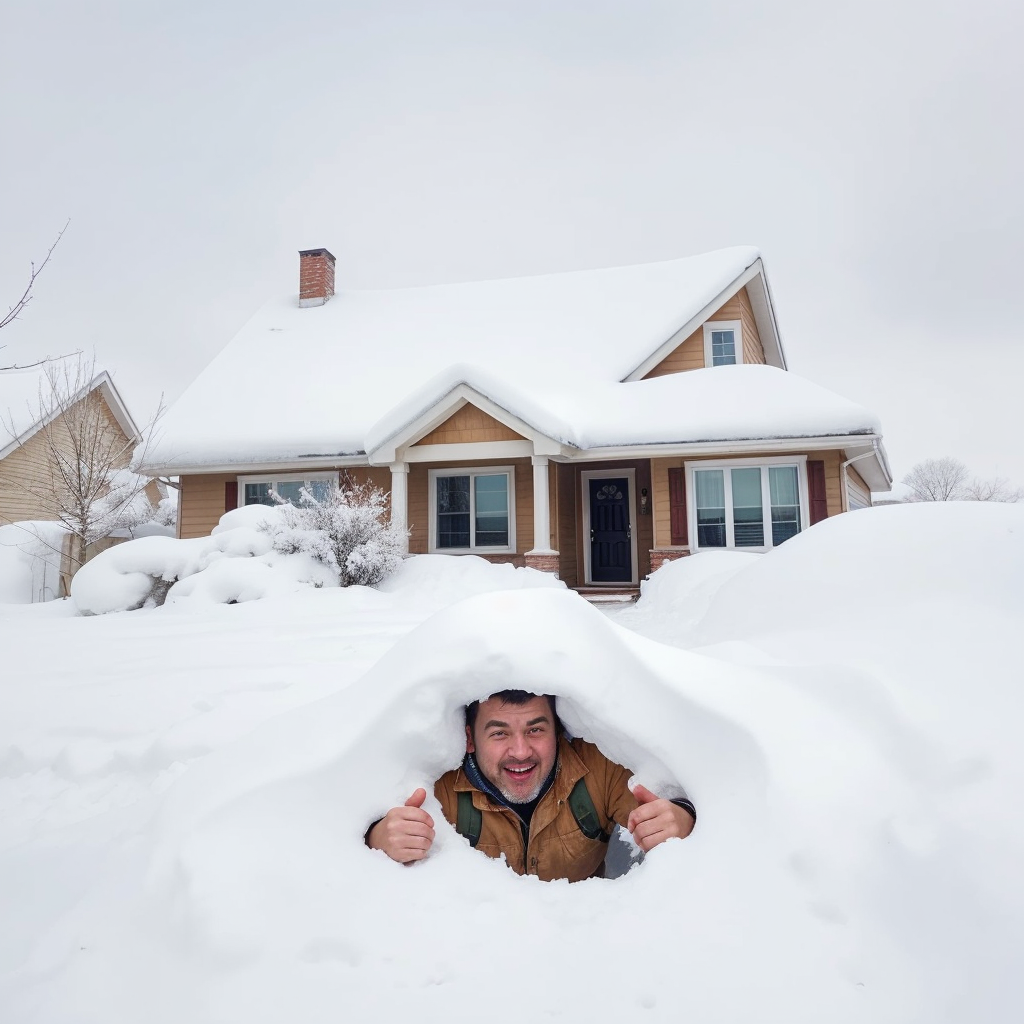
January shows up every year with the same rude surprise.
The holidays are over, the decorations are down… and then the power bill arrives.
Suddenly you’re staring at a number that makes you wonder if your house secretly hosted a neighborhood igloo convention while you weren’t looking.
If you’re a Utah homeowner, you’re not imagining things. January is notorious for higher power and utility bills — and there are real reasons why. Let’s break down what’s happening behind the scenes and what you can do to soften the blow.
❄️ Why January Power Bills Are So High in Utah
Utah winters bring a perfect storm of conditions that push energy use through the roof.
1️⃣ Your Furnace Is Working Overtime
January is typically Utah’s coldest month. That means your furnace runs longer, more often, and sometimes nonstop during overnight lows.
Even a well-maintained system uses more energy when temperatures stay below freezing for extended periods.
2️⃣ Short Days = More Lights and Electronics
With fewer daylight hours, lights stay on longer. Add in:
- Holiday electronics still plugged in
- More time spent indoors
- TVs, computers, and gaming systems running daily
…and energy use climbs fast.
3️⃣ Heat Loss Becomes More Noticeable
Tiny gaps you didn’t notice in fall suddenly matter in January.
Cold air sneaks in through:
- Windows and doors
- Attics and crawlspaces
- Older ductwork
Your furnace has to work harder just to maintain the same temperature.
4️⃣ Appliances Work Harder in Winter
Cold garages and basements make refrigerators, freezers, and water heaters work overtime to maintain temperature. Older appliances are especially prone to inefficiency during winter months.
5️⃣ Utah’s Inversion Season Keeps You Inside
When air quality dips, windows stay closed and indoor systems carry the full load — heating, air circulation, and filtration all run longer than usual.
🧠 Simple Ways to Reduce January Energy Costs
You may not be able to control the weather, but a few adjustments can help:
✔️ Change your furnace filter
✔️ Keep your thermostat between 60–65°F when possible
✔️ Seal drafts around doors and windows
✔️ Open curtains during sunny hours
✔️ Unplug unused electronics
✔️ Avoid space heaters running nonstop
These small changes won’t eliminate your bill — but they can prevent unnecessary spikes.
🏠 Where a Home Warranty Fits In
While a home warranty doesn’t lower your power bill directly, it does help protect the systems and appliances that drive those costs.
When furnaces, heat pumps, or major appliances start failing, they often become inefficient before they stop working completely — quietly increasing energy use month after month.
A SilverBack Home Warranty helps offset the cost of covered repairs when:
- A furnace struggles to maintain temperature
- A blower motor or igniter fails
- An aging refrigerator runs nonstop
- Electrical components wear out under heavy winter use
Instead of paying full price for unexpected repairs in the coldest month of the year, you have a plan in place to help manage those costs.
🔁 Efficiency Today, Peace of Mind Tomorrow
January power bills are frustrating — but they’re also a signal.
They tell you your home systems are under stress.
Staying ahead of maintenance, keeping systems tuned up, and having a home warranty as backup can make winter less stressful and far more predictable.
Because while Utah winters may be unavoidable, surprise repair bills don’t have to be.
❄️ Final Thought
If your January power bill made you do a double-take, you’re not alone.
Take it as an opportunity to tighten up efficiency, check in on your systems, and make sure your home is protected for the rest of winter.
And remember — when your home systems work harder, SilverBack’s got your back.
📞 Helpful Links
- Call 833-750-6400 with questions or to get information on plans
- Visit SilverBackHW.com for more information
- Place an order anytime at SilverBackHW.com/orders